|
Cognitive Fatigue... an Example Cognitive fatigue is the problem. But what does that actually mean? As mentioned in an earlier post cognitive fatigue is in which your brain is tired... and when your brain is in that state is has consequences. Here, the issue is decision-making. People that are in a cognitively fatigued state make poor decisions, and when they make poor decisions, accidents happen. In terms of a Mars mission, one mistake could lead to the death of every single astronaut. Hence, cognitive fatigue is a real problem. And it is not just the Mars mission where this is a problem. The Krigolson Lab has done a couple of cool studies the past few years. In one two summers ago, we took a research team to a mine in Northern British Columbia to monitor cognitive fatigue in the people working at the mine. We found some interesting results. 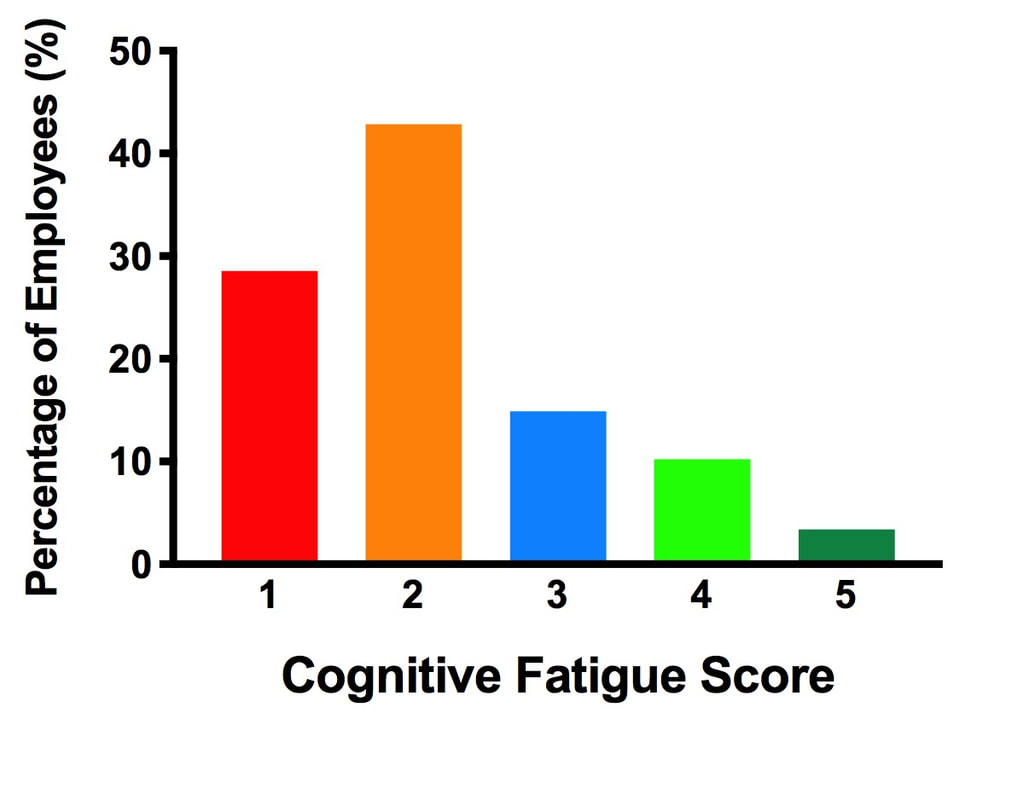 This is a histogram which is a summary of the cognitive fatigue scores for the mine. What is interesting here is what statisticians would call a "skew" - there is a bias here towards low scores and that is not what we would hope to see. Indeed, more than half the scores are in the 1 and 2 range indicating people that are either very fatigued in red or fatigued in orange. Ideally, you would want to see everyone in the two green ranges. At a minimum, you would hope that everyone was "average" which would be blue. But here you see something thats a bit scary - most of the workers at this mine are cognitively fatigued. And that means that people will make poor decisions and that means people will die. 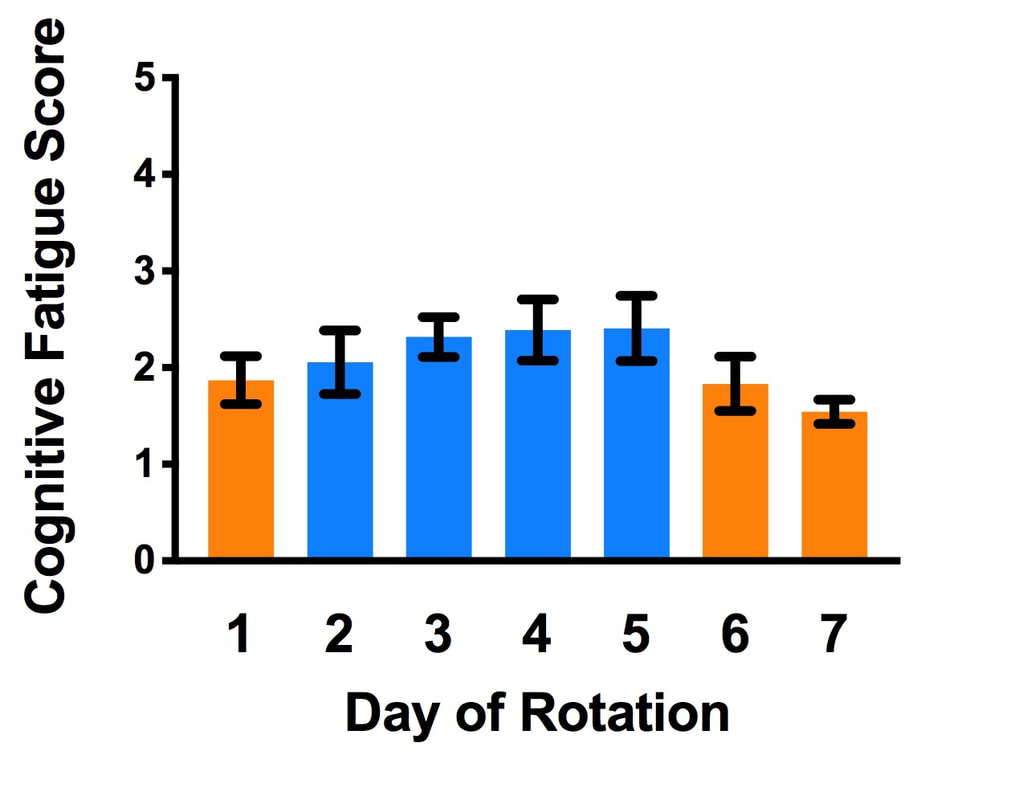 Here is another interesting result from our work at the mine. The workers work 7 days on and 7 days off. Not surprisingly, the workers fatigue scores are down by days 6 and 7. So maybe a 7 day work week is a bad idea. Not too surprising but a change that should be made. I think what's more interesting here is that fatigue scores were also below average on day 1. That means that people were returning to work after 7 days off that probably should not have returned to work. I think that is mostly a lifestyle issue - but it does speak to the notion of return to work screening or something like this. If someone is too tired when they show up for work, should they be allowed to return to work?
Cognitive fatigue is a real problem. We have roadside screenings for alcohol and drugs, but we should also be screening for cognitive fatigue. If someone is too tired to drive a car, then they are just as dangerous as someone that is inebriated. And that is why we are developing this tech for the Mars mission. To ensure that anyone that does a job is ready to go and not a danger to themselves or others.
0 Comments
The Software 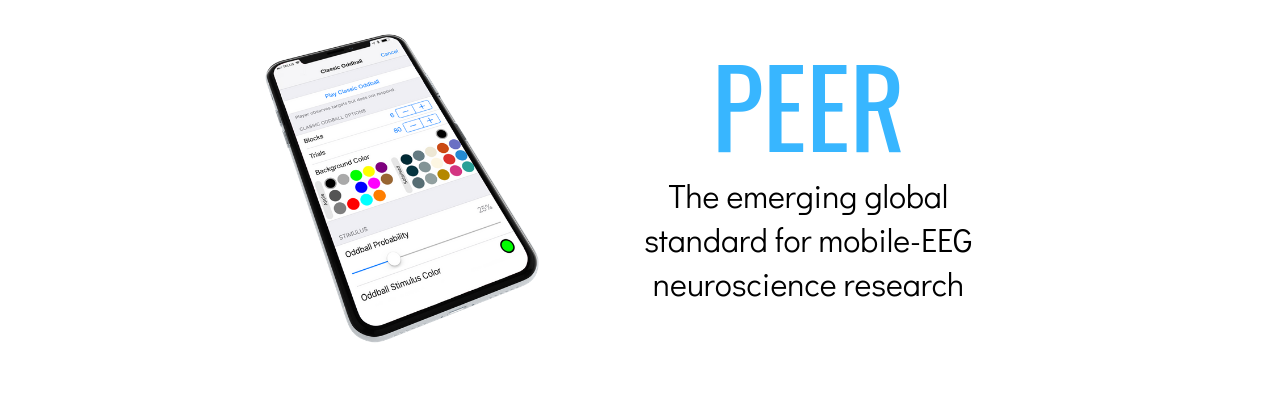 To do the brain performance assessments in the HISEAS Habitat we will be using PEER - the Portable EEG ERP Researcher app made by Suva Technologies Inc. PEER essentially allows you to do EEG/ERP research with an iPhone/iPad and a MUSE headband. The software allows us to play the various games that we use to evoke the neural responses that we subsequently examine to determine brain health and performance (e.g., Cognitive Fatigue). 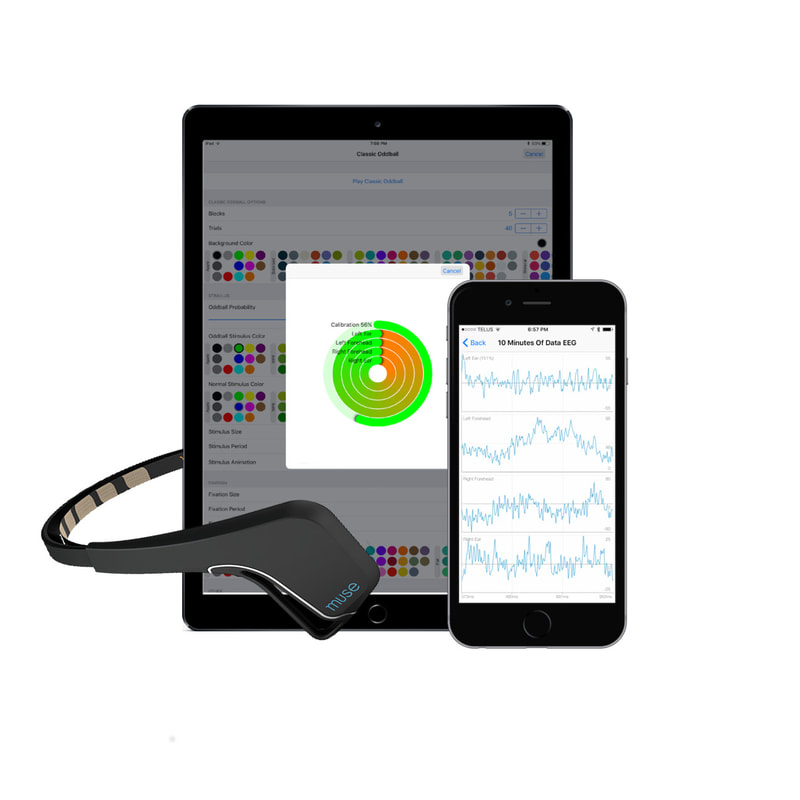 It is to realize PEER is a research tool! PEER allows neuroscientists to "easily" measure brain function but there is still a lot of analysis involved. SUVA is working on Aspire which will be the personal version of Aspire for home use. A way that anyone can track their brain performance over time.
You can read more about Aspire HERE. The Hardware 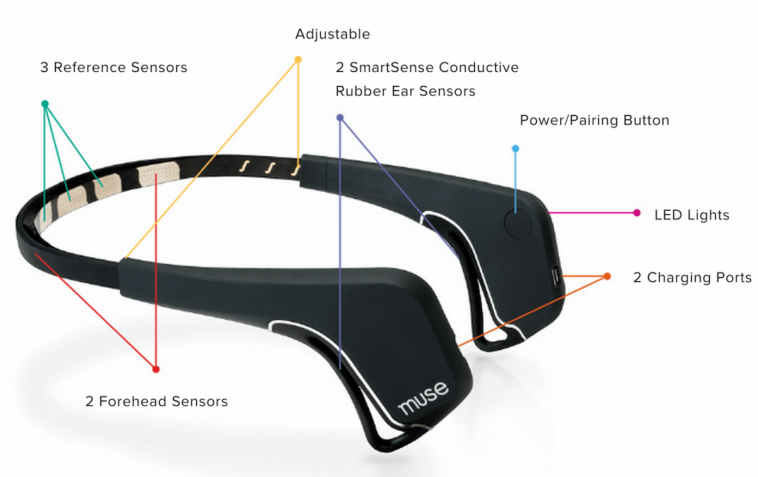 We collect and record our mobile EEG data using a MUSE headband. The MUSE is made by InterAxon Inc. (www.choosemuse.com), a Canadian company based out of Toronto, Ontario. The MUSE was originally designed to help people learn how to meditate. Check out this YouTube video! The MUSE EEG headband records EEG from five different sensors - one reference and four recording electrodes. The algorithms on the device and in the MUSE app quantify the patterns of EEG data that are recorded and determine whether you are meditating or not, and based on that, the app provides you with feedback to help you learn how to meditate more effectively. The reason we are using the MUSE is that it is an awesome EEG headset. It might be hard to believe, but the Krigolson Lab was able to prove that the EEG signal being measure with the MUSE was on par with a medical grade system worth over $100,000. We published our validation paper in Frontiers in Neuroscience.  The article is open source, so if you want to read it, just click HERE.
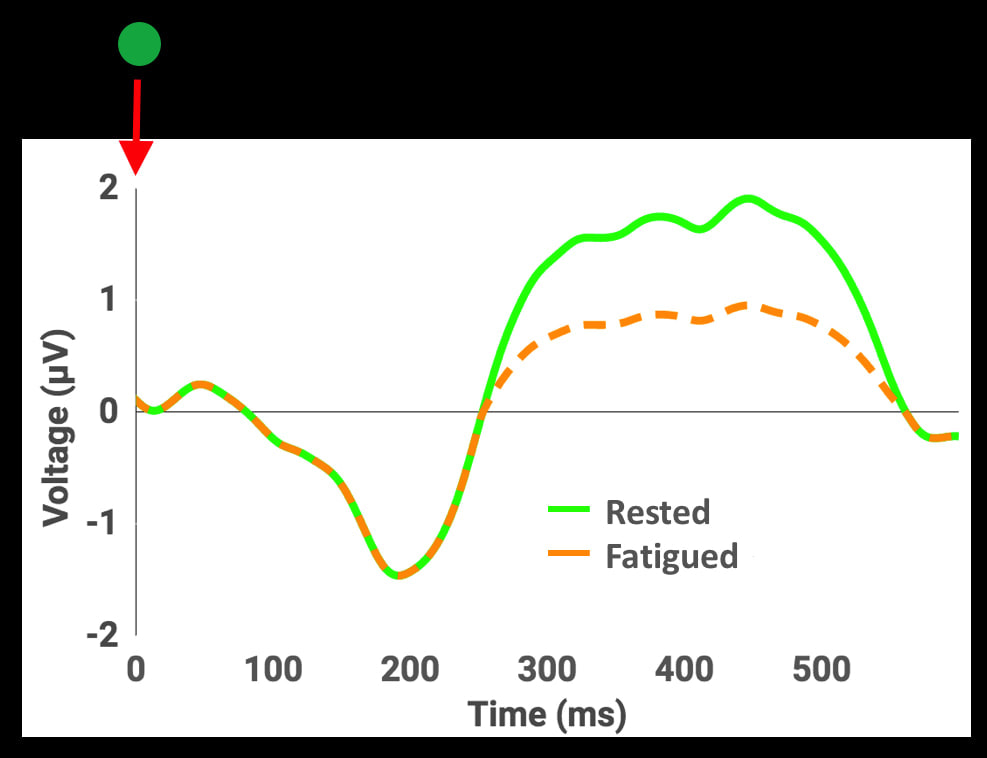
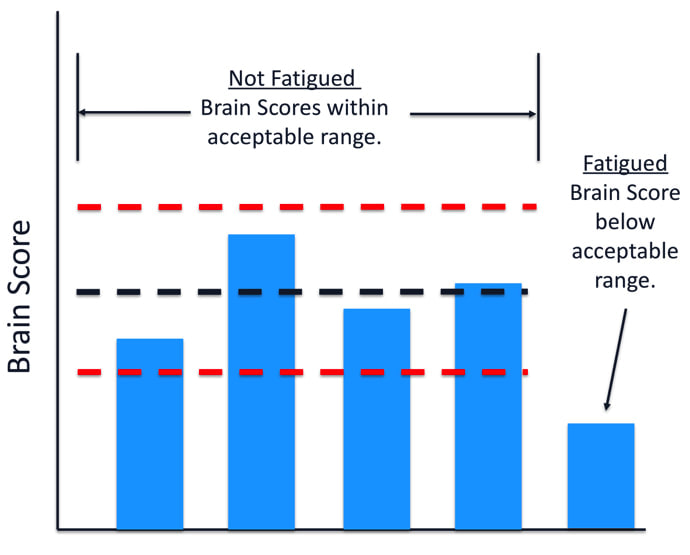
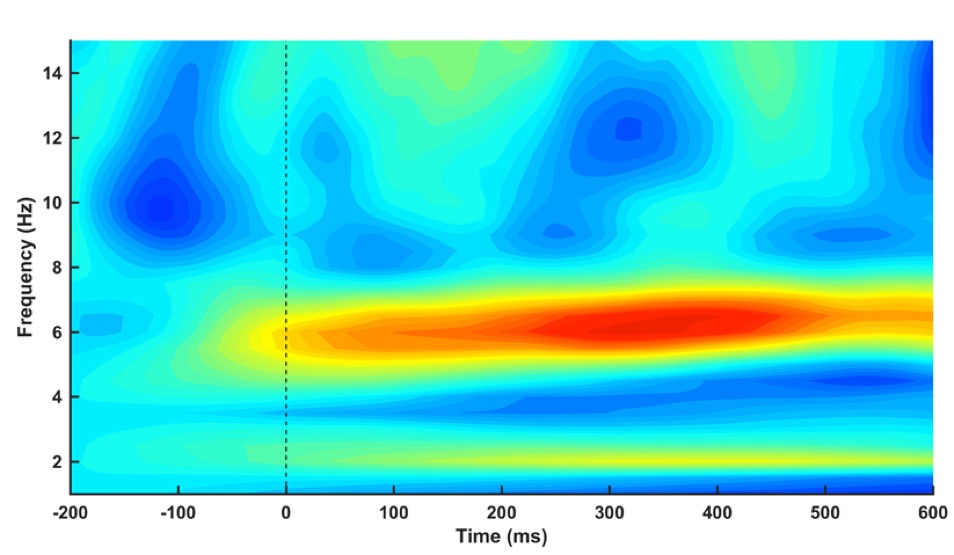
So, when we do our cognitive fatigue / brain performance assessment we use the MUSE headband to collect the data. From a practical perspective it is awesome because you can be put it on and start recording EEG data in a couple of seconds. And, if you want to try one out for yourself, they sell them at BestBuy! How We Measure Cognitive Fatigue Simply put, when you are cognitively fatigued your brain is not the same is when you are rested. And of course, if your brain is in a different state when you are cognitively fatigued we can see that in the EEG coming from your brain. To help us see whether your brain is fatigued or not we start by having you play a simple game on an iPhone or an iPad while we record EEG data from a MUSE EEG headband. The game is simple, you see a series of blue and green circles and we get you to touch the screen when you see a green circle and to do nothing when you see a blue circle. Watch the video below to get an idea of what the game is like.
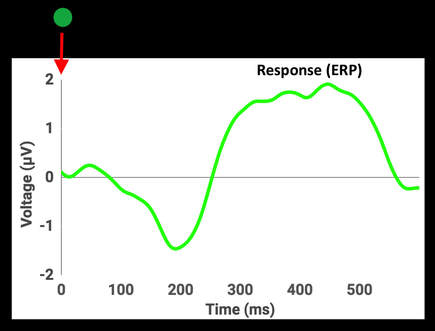
Perhaps the coolest thing about how we do this is that we can do it with a MUSE EEG headband, an iPhone, and in under 5 minutes! So, we will each be playing this game (and a few others - more on that later) a couple of times a day and we will be examining our brains scores (the ERP response I mentioned above) to see how it changes over time - thus validating a system for tracking cognitive fatigue in astronauts.
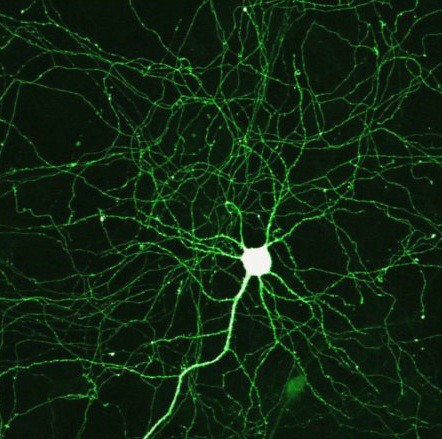
What is EEG? So how do we measure cognitive fatigue with electroencephalography (EEG, or "brain waves")? Let's start with what EEG is and over the next couple of posts I will walk you through what we are actually doing. Your brain is mostly comprised of a couple of billion neurons - tiny cells that when activated send a small electrical signal called an action potential out at a means of communication. 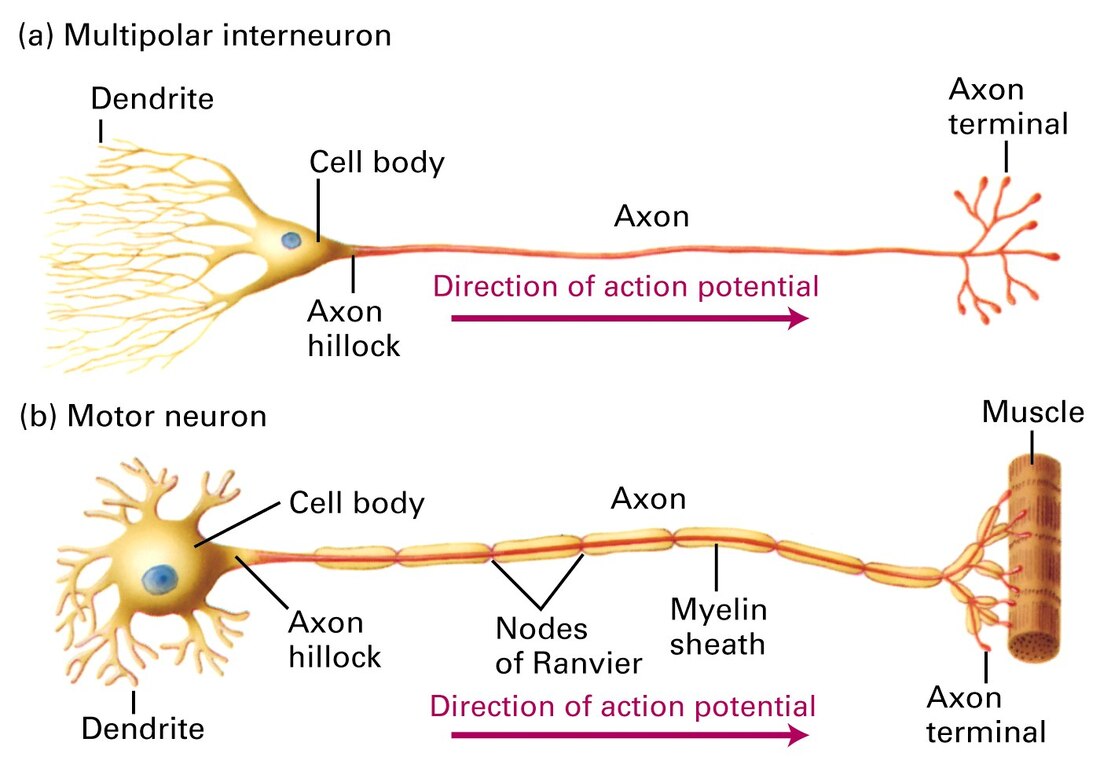 When the action potential reaches muscle for instance, it causes the muscle to contract which is how we move. However, within the brain most of the neurons are connected to other neurons forming a network that when active, is how your brain functions. Think of it this way, all of the neural connections in the brain are like the tiny electrical connections within a computer - and patterns of electrical activity within this network are how your brain computes or processes information. Think of it this way, a single neuron by itself is either on or off. But eight neurons working together using binary representation can represent all of the numbers between 0 and 255. So the billions of neurons in the brain - can represent anything. The same is true for computational operations - different patterns of on and off allow the brain to process information.
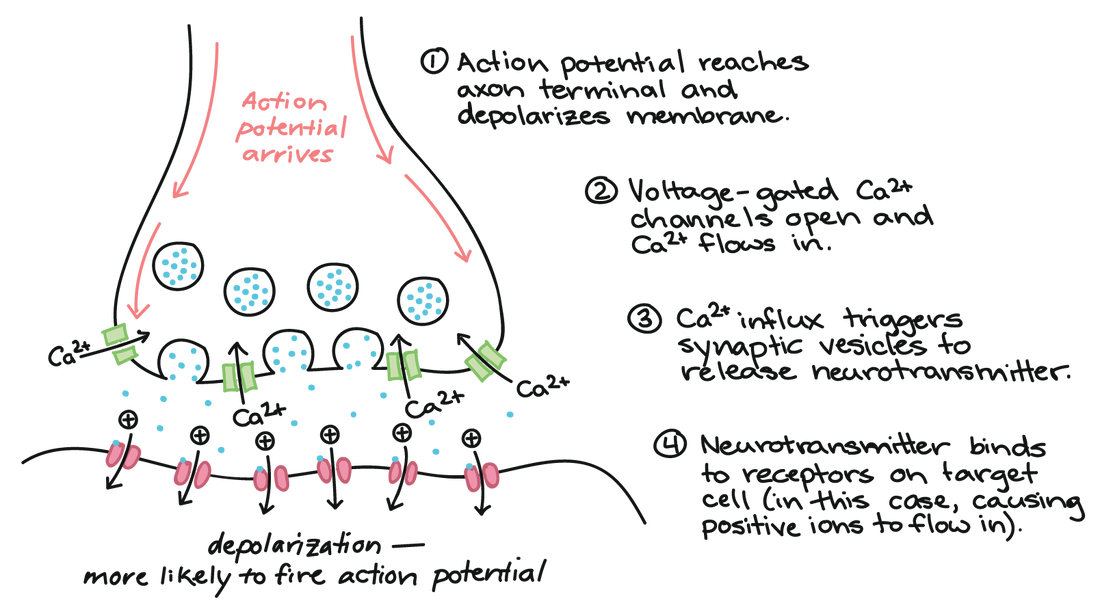
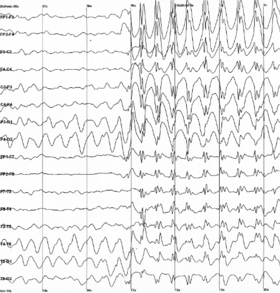
So, your brain is mostly comprised of neurons that communicate with each other. And that communication is electrical in nature - the action potentials that I talked about. However, EEG does not actually measure action potentials. What EEG measures is what happens when action potentials arrive at the synapse. When an action potential arrives at the axon terminal it causes neurotransmitter to be released. The neurotransmitter crosses the gap between the axon of a pre-synaptic neuron and the dendrite of a post-synaptic neuron and binds. When it binds it generates another electrical signal - an excitatory or an inhibitory post-synaptic potential. 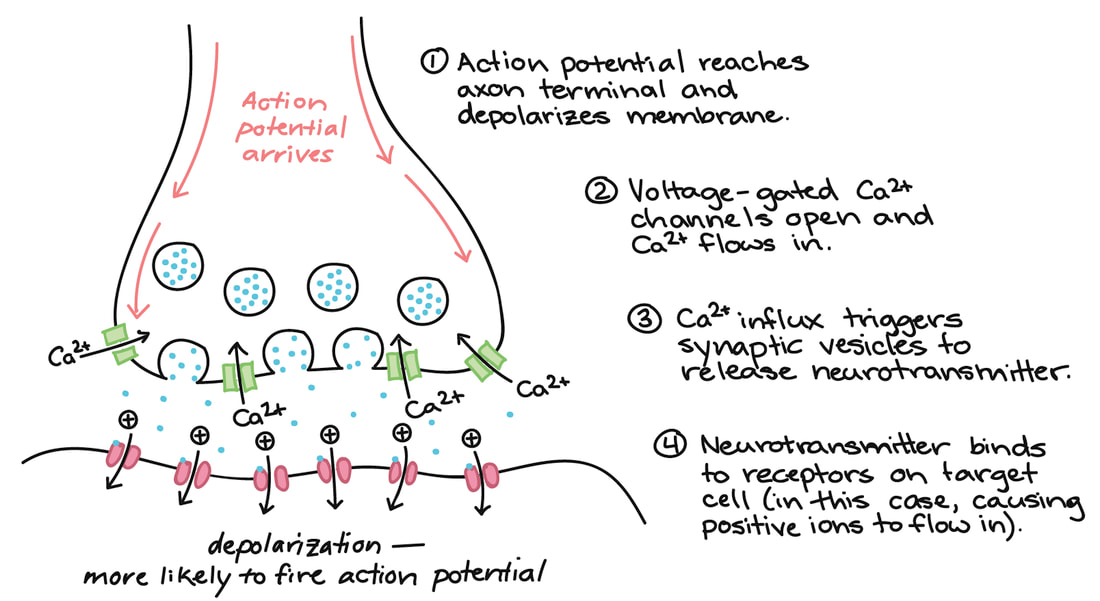 And that is what EEG measures - a whole bunch of these excitatory or inhibitory post synaptic potentials occurring at the same time - by simply placing an electrode on the surface of the scalp. 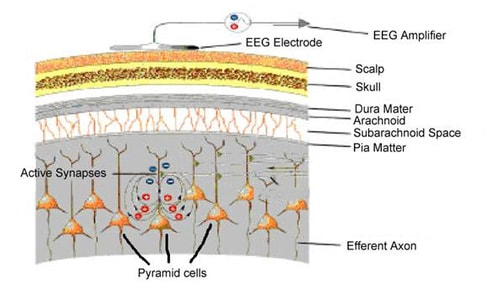 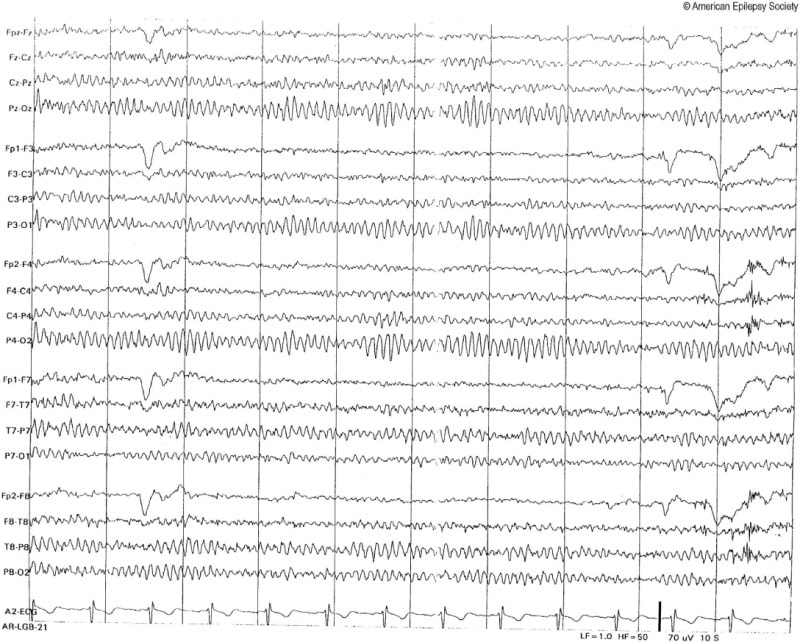 HISEAS
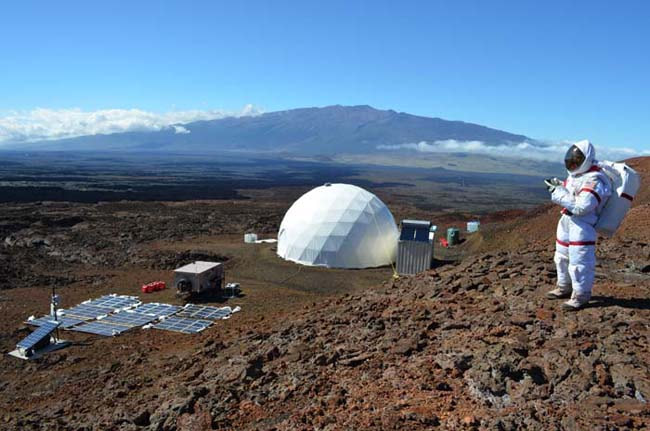
Why are Neuroscientists Going to "Mars"?
A Mission to "Mars"
|
AuthorDr. Olav Krigolson is the Associate Director for the Centre for Biomedical Research, an Associate Professor in Neuroscience, and the Principle Investigator of the Theoretical and Applied Neuroscience Laboratory at the University of Victoria. ArchivesCategories |

 RSS Feed